Products
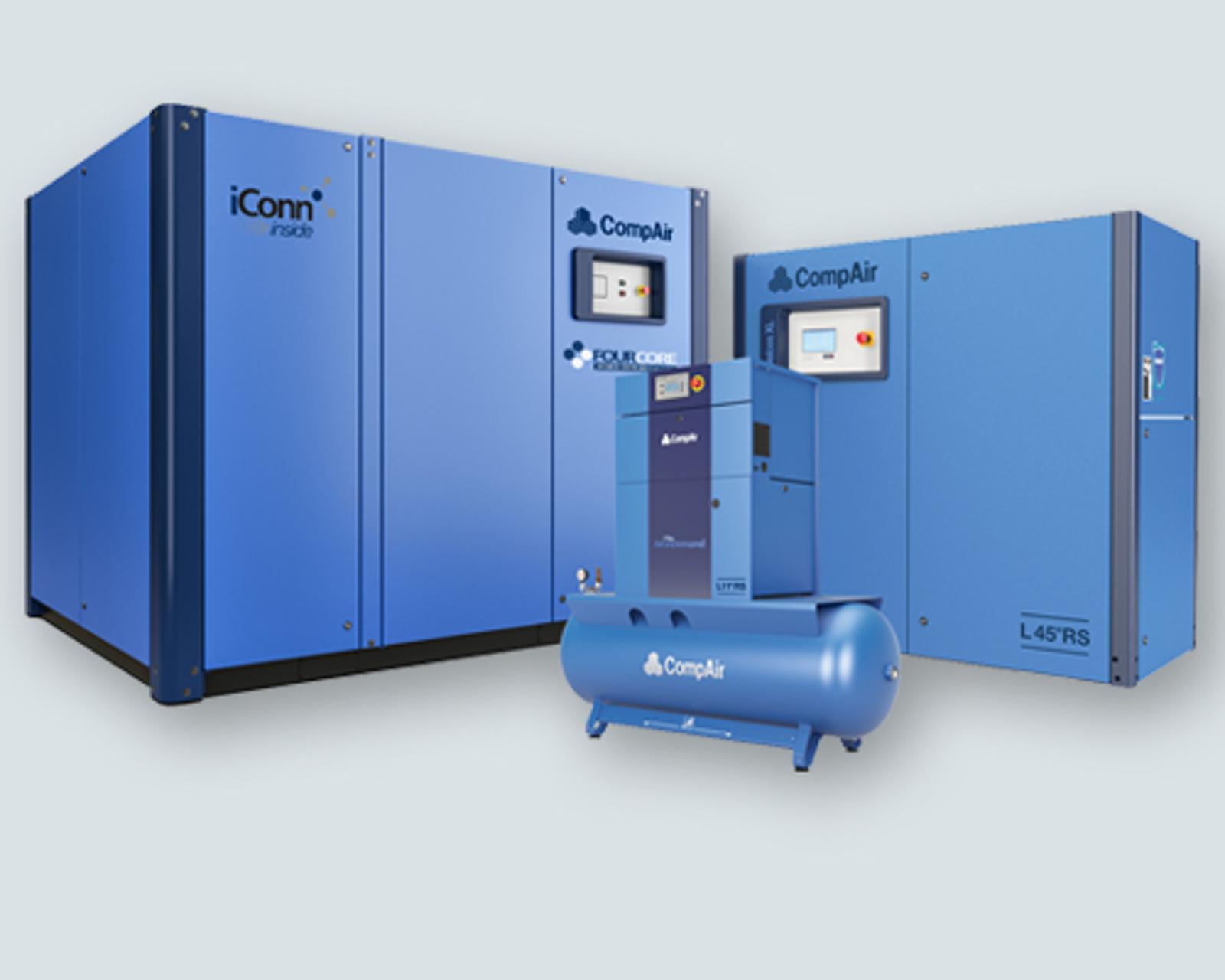
Oil Lubricated Air Compressors
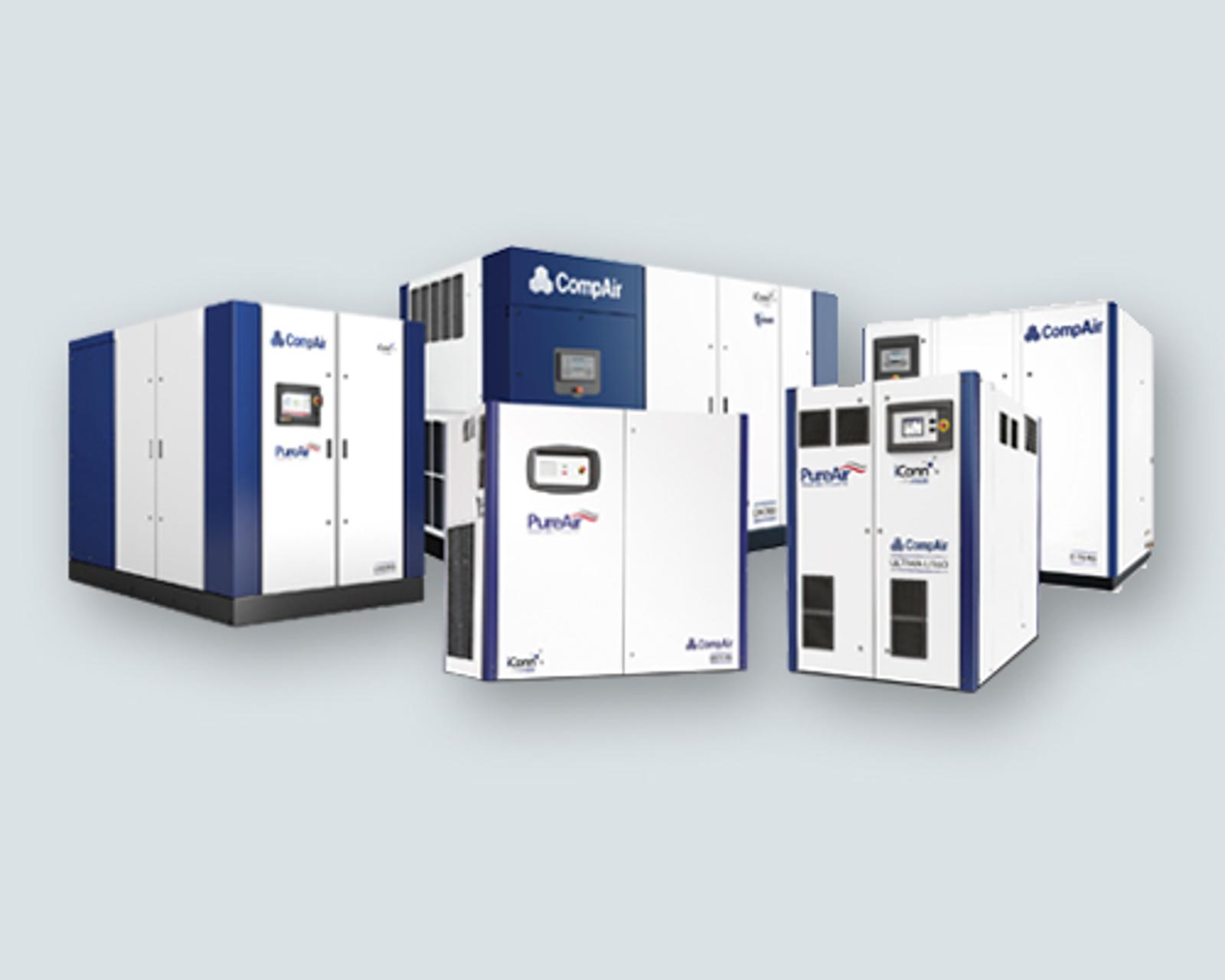
Oil Free Air Compressors
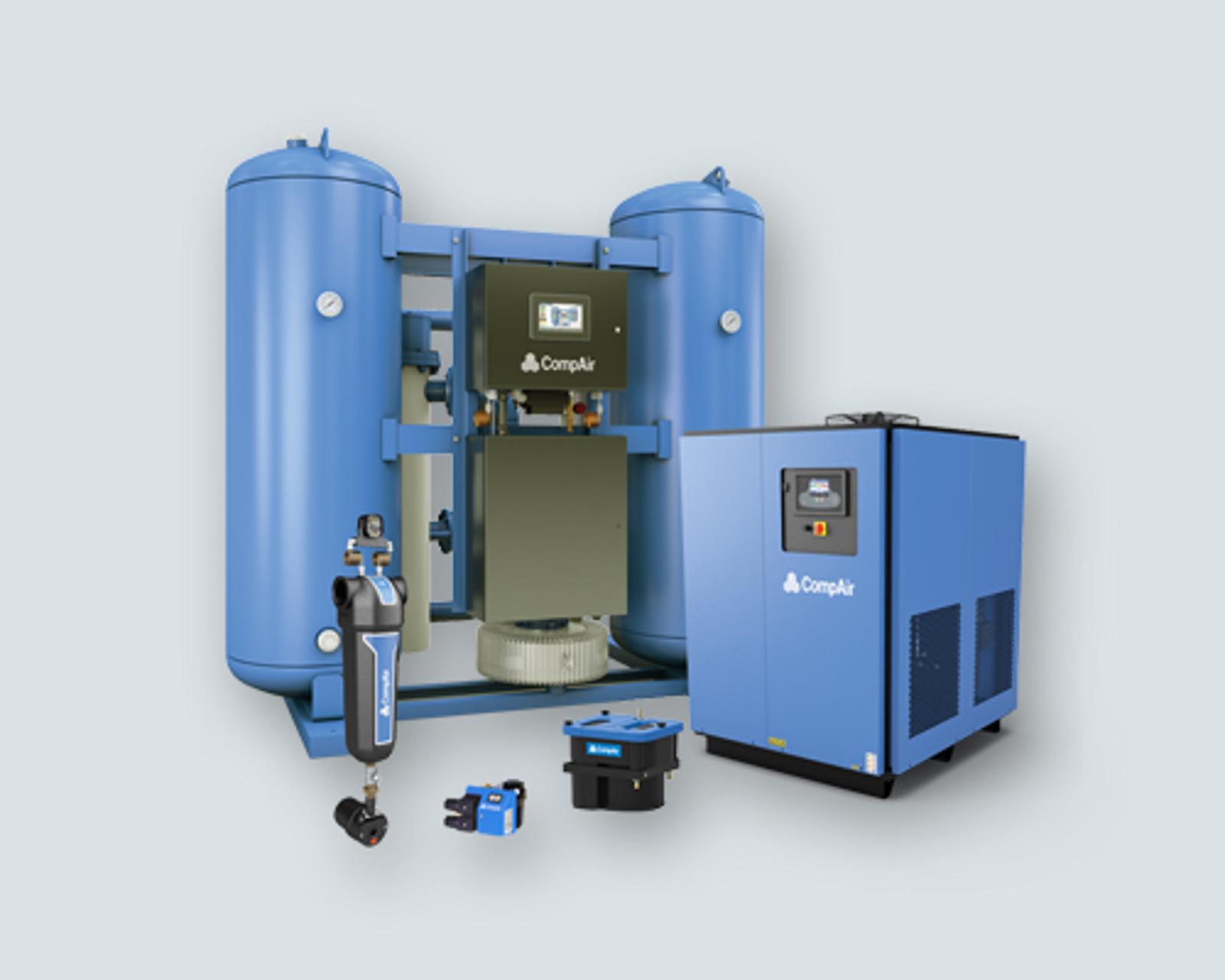
Compressed Air Dryers
Air Treatment & Accessories
Industrial Rotary Vane Solutions
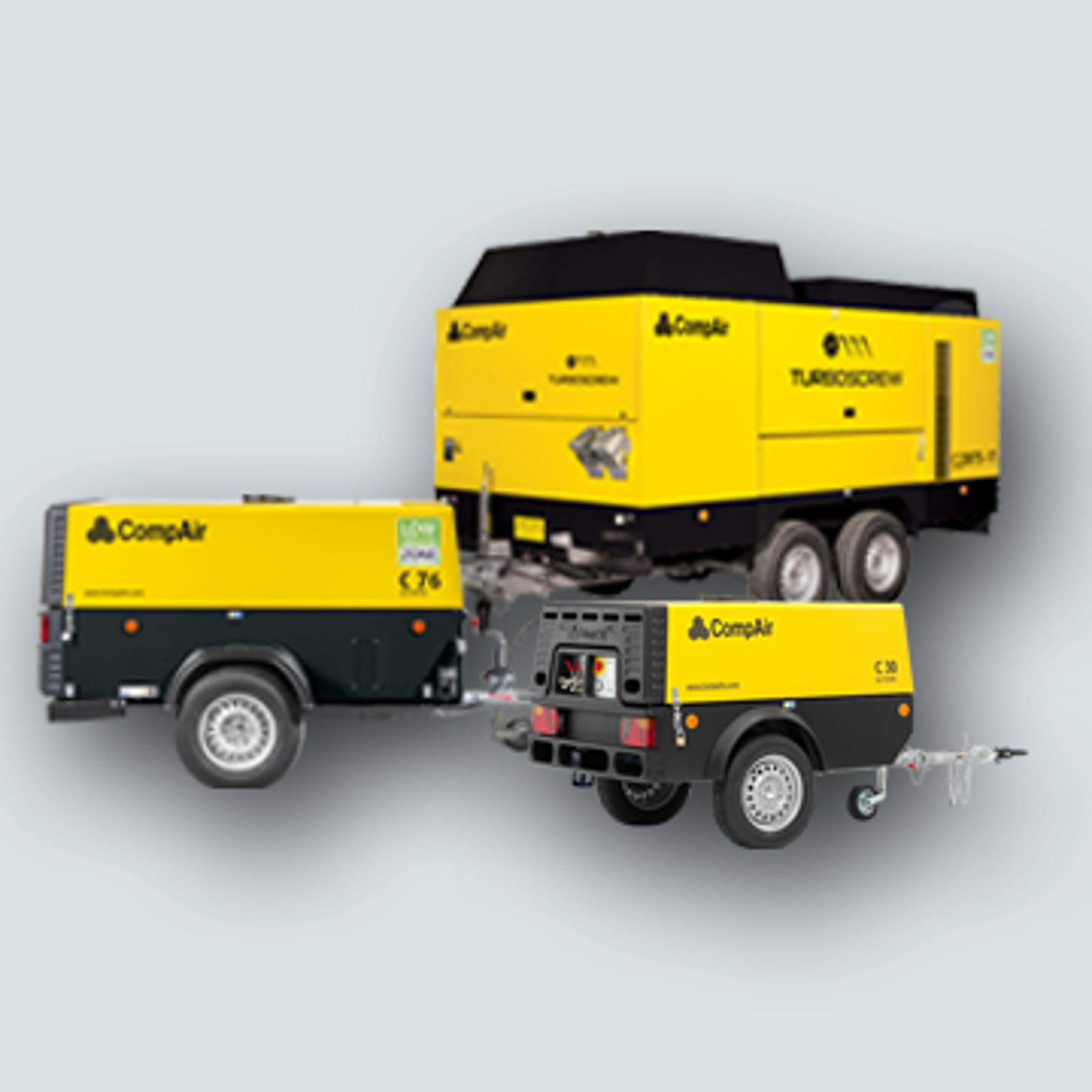
Portable Compressors
EcoPlant Dynamic Control
EPL QuickFit
Custom Engineered Products
Buyer's Guide
Sustainable Compressed Air
Compressed air management systems
CompAir Wiki
Rotary Screw Compressor Technology Explained
Oil lubricated Air Compressor Technology
Which Towable Compressor to Select for Your Application
Variable Speed Compressors for Improved Energy Efficiency
What is Compressed Air ?
Air Compressor Oil
IES2 Efficiency Standard
Industries & Applications
Defence Industry Solutions
Construction Air Compressors
Mining Industry
Textiles Industry
Food and Beverage
Pharmaceutical
Chemical
Automotive
Electric Vehicle Manufacturing
Electronics
Industrial Manufacturing
General
Service & Support
Air Audits
Compressed Air Rental Services
Portable compressors service and support
Air Compressor Filter
Airend Replacement
Avoid Leakages
Oil Sampling
iConn
Genuine CompAir Air Compressor Parts
Assure Service Agreements
Compressor Service Schedules
Warranty
Pressure Equipment Check
Dryer Maintenance
How to Improve the Efficiency of Your Compressor Installation
FAQ compressor servicing
About
Become a Business Partner
Careers
Worldwide Locations
News and Events

Do You Need Help Buying an Air Compressor?

Choosing the right air compressor can be challenging, especially with the wide range of technologies, sizes and applications available today. This guide explains what an air compressor is, how air compressors work, and the key factors to consider when selecting the right system for your business or application.

What Is Compressed Air?

An air compressor converts ambient air into pressurised compressed air that can be stored and used to power equipment, tools and industrial processes. Thanks to advances in compressor technology, modern systems can deliver significantly more compressed air from a smaller footprint than ever before.

What Is an Air Compressor Used For?

Compressed air is one of the most versatile utility sources in industry. It is used for manufacturing, packaging, food and beverage production, automotive applications, construction, healthcare and many other sectors. Air compressors can power machinery, operate pneumatic tools and provide reliable air supplying solutions across entire production facilities.

How Do Air Compressors Work?

Air compressors work by drawing in atmospheric air, reducing its volume and increasing its pressure. The compressed air is then stored or delivered directly to the application where it is needed. Different compressor technologies are designed to match specific air demand requirements, operating environments and efficiency goals.

CompAir offers a comprehensive range of air compressors, from compact 2.4kW models to large industrial systems exceeding 320kW. Some specialist solutions can deliver even greater output for demanding applications. Selecting the correct compressor depends on your required airflow, pressure and usage profile.

Explore the CompAir range below to find the right air compressor for your application and discover the different compressor technologies available.

How to Choose the Right Air Compressor

Selecting the right air compressor starts with understanding your application's airflow and pressure requirements. Matching compressor output to your operational demands is one of the most important factors when investing in a compressed air system. Whether you need a compact 2.2kW unit or a large 250kW industrial compressor, choosing the correct size helps maximise efficiency, reliability and long-term performance.

What Size Air Compressor Do I Need?

The ideal air compressor size depends on the volume of compressed air required, operating pressure, duty cycle and the number of connected applications. Undersized compressors can struggle to meet demand, while oversized systems may consume more energy than necessary. Understanding your airflow and pressure requirements is the first step in selecting the most efficient and cost-effective compressor for your business.

This guide provides an overview of the key considerations when choosing an air compressor, helping you identify the best solution for your application, whether your requirements are small-scale or industrial.

Engineer Buying Guide

What Is an Air Compressor Used For?

The right air compressor depends on your application, air quality requirements and operating demands. From powering tools to supporting production processes, there are a range of compressor technologies to choose from.

How to Choose the Right Air Compressor

When deciding how to choose the right air compressor, consider compressor type, pressure requirements and efficiency. Options include piston and rotary screw compressors, fixed-speed and variable-speed models, plus the latest drive technologies.

What CFM Air Compressor Do I Need?

Choosing the correct compressor size starts with understanding your airflow (CFM) and pressure requirements. Different applications require different volumes of compressed air, making accurate sizing essential for efficiency and performance.

What Size Air Compressor Do I Need?

The size of air compressor you need depends on your required airflow, operating pressure and future demand. Low-demand applications may only require a small compressor, while high-pressure industrial processes need larger systems with greater capacity.

Plan Your Compressed Air System

Before purchasing an air compressor, assess your airflow demand, air quality requirements and future expansion plans. A well-planned compressed air system improves efficiency, reduces energy costs and ensures reliable air supplying throughout your operation.

How to Make Your Air Compressor More Efficient

Improving compressor efficiency starts with correct sizing, reducing leaks, optimising controls and recovering waste heat where possible. Regular monitoring of air demand also helps ensure long-term performance and lower operating costs.

Are You an Existing CompAir Customer?

We would love to hear from you, tell us the model you have - we can offer you important documentation (parts list / user manual) or useful servicing information to keep your equipment running at peak operating performance.

Air Audit for Better Compressor Performance

An air audit helps identify energy waste, optimise air supplying systems and ensure your air compressor is sized for current and future demand.

How Do I Audit My Compressed Air System?

An air audit can be as simple or detailed as required. Data logging measures airflow, pressure and energy consumption to provide a clear picture of system performance. The results help determine what size air compressor you need and identify opportunities to improve efficiency.

How to Make Your Air Compressor More Efficient

A professional audit can highlight air leaks, pressure losses, inefficient controls and opportunities for heat recovery. It may also reveal whether upgrading to a newer compressor, adding variable-speed technology or improving system controls could reduce energy costs.

Regular leak detection and system monitoring are simple ways to improve air compressor efficiency, lower operating costs and maximise reliability.

Airinsite Logo

Leakage Measurement and Elimination

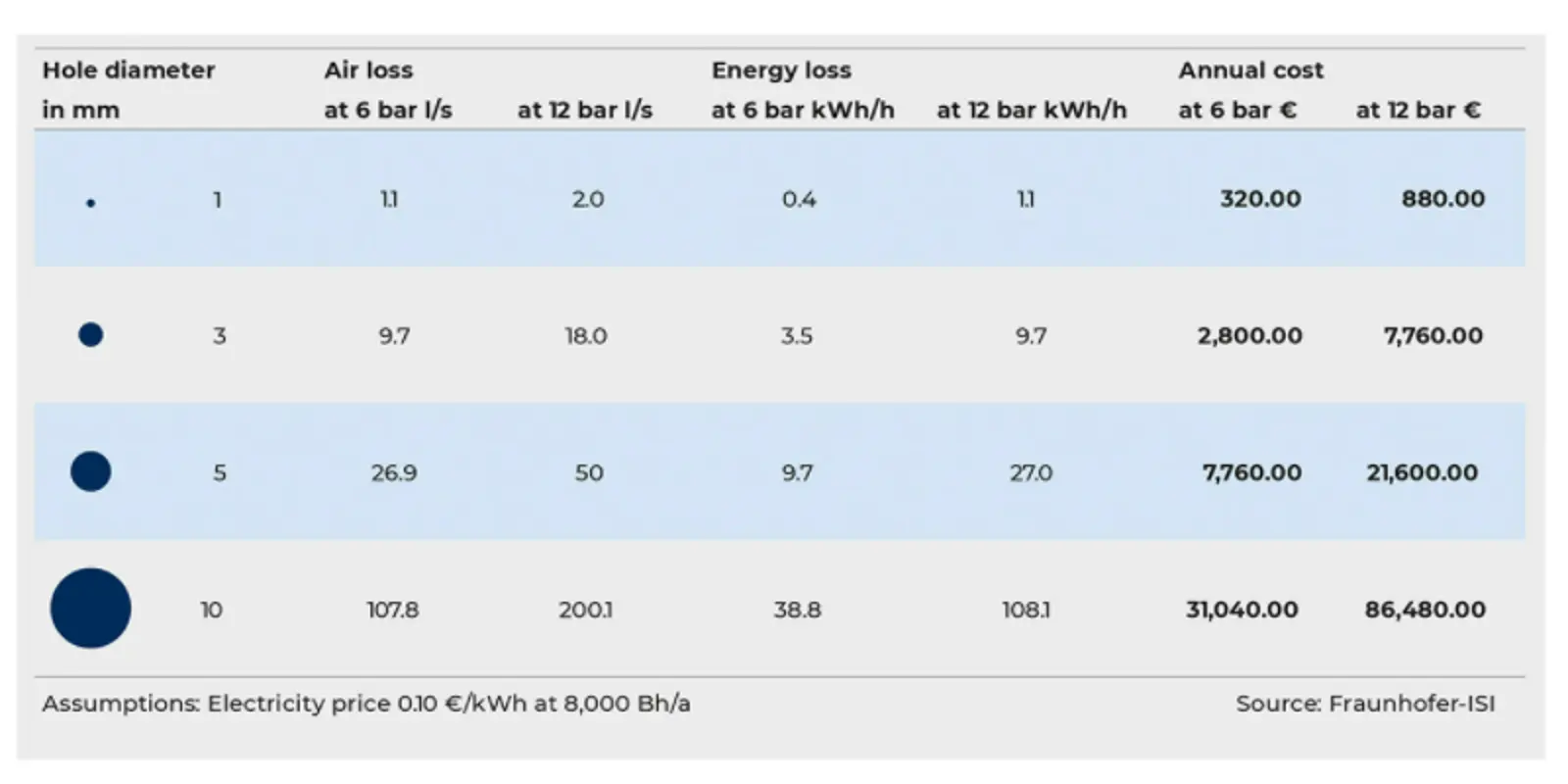
Compressed air leaks are one of the biggest sources of energy waste in any air compressor system. Even well-maintained networks can lose 10-20% of generated compressed air through leaks, with losses reaching up to 30% in some facilities.

How to Make Your Air Compressor More Efficient

Identifying and eliminating leaks is one of the fastest ways to improve air compressor efficiency and reduce operating costs. A compressed air audit can uncover hidden leaks, optimise system performance and ensure your air supplying network operates as efficiently as possible.

Reduce Energy Consumption and Compressed Air Losses

In some cases, air leaks become so significant that an additional compressor is required to maintain demand. Regular leak detection, monitoring and maintenance can help reduce compressed air losses, lower energy consumption and improve the overall performance of your compressed air system.

Air Compressor Installation
Leakage Table

Pressure Reduction and Heat Recovery

Reducing system pressure is one of the simplest ways to improve air compressor efficiency and lower energy costs. Even a small pressure reduction can cut energy consumption, while heat recovery allows businesses to reuse waste energy generated during compression.

How to Make Your Air Compressor More Efficient

Optimising operating pressure, recovering waste heat and maintaining equipment can significantly improve compressor performance. In oil-injected compressors, up to 94% of electrical energy can be recovered as heat for other processes.

Compressed Air Quality Requirements

The air quality your application requires should play a key role when deciding how to choose the right air compressor. Industries such as food and beverage, pharmaceutical and electronics manufacturing often require contaminant-free compressed air.

Oil-Free vs Oil-Lubricated Air Compressor

When comparing an oil-free vs oil-lubricated air compressor, the choice depends on your air purity requirements. Oil-free compressors provide clean air for critical applications, while oil-lubricated compressors deliver reliable and efficient performance for many industrial processes.

Complete Compressed Air and Air Treatment Solutions

Achieving the right compressed air quality often requires more than just an air compressor. Air treatment equipment, including filters, dryers and condensate management systems, helps ensure reliable air supplying and compliance with application requirements.

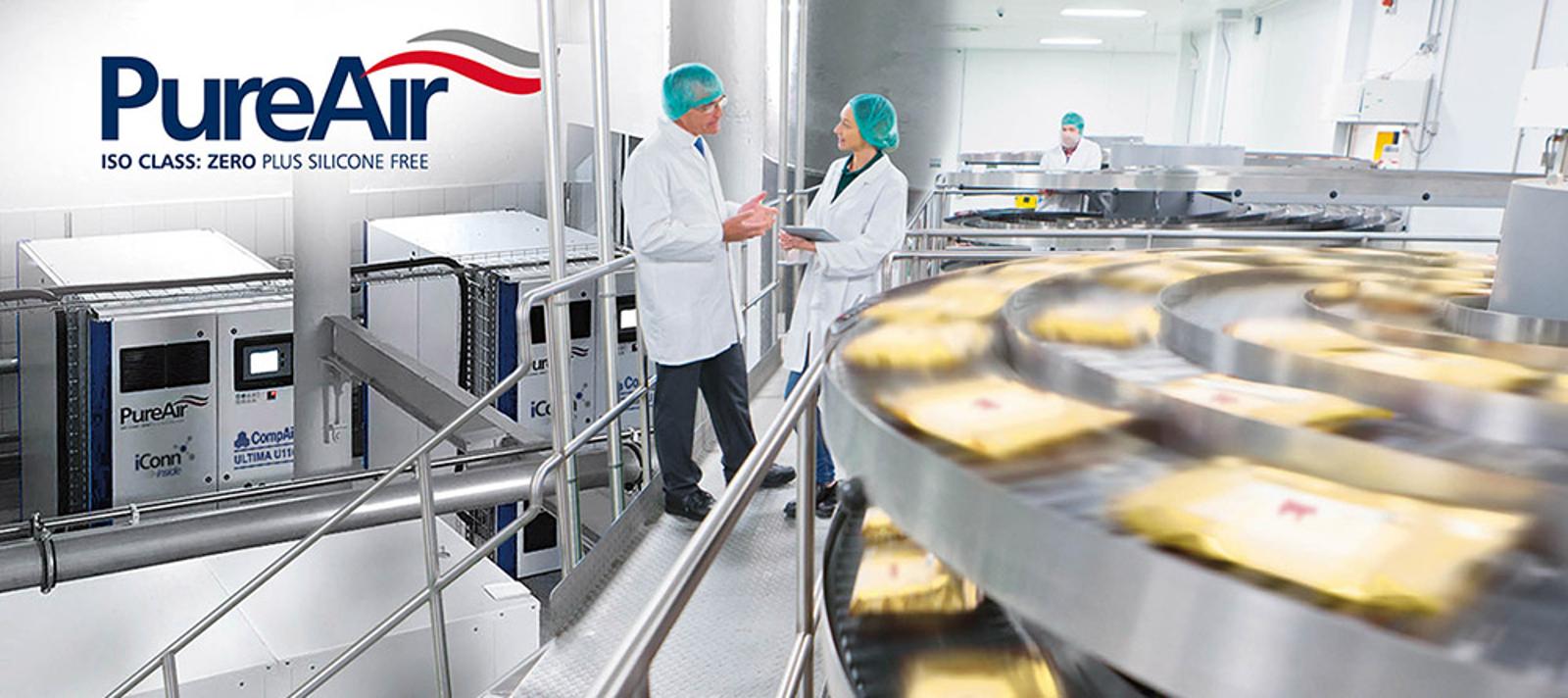
Oil Free Compressed Air for Food and Beverage Industry

Impartial Air Compressor Planning

When choosing an air compressor, it's important to focus on your actual airflow, pressure and air quality requirements rather than a preferred technology. A detailed assessment of your current and future compressed air demand helps ensure the right compressor solution for your application.

How to Choose the Right Air Compressor

The best air compressor is one that matches your operational needs. By analysing air demand, pressure requirements and air treatment needs, you can select a system that delivers reliable performance, efficiency and long-term value.

Why Air Compressor Modernisation Pays Off

Energy costs can account for up to 80% of an air compressor's lifecycle cost. Upgrading to modern, energy-efficient compressor technology can significantly reduce operating costs and improve overall system performance.

How to Make Your Air Compressor More Efficient

Modern compressors, intelligent controls and properly sized systems help reduce energy consumption and improve efficiency. Even small improvements in compressor performance can generate substantial savings over the life of the equipment.

Explore Air Compressor Solutions for Your Application

Different industries require different compressed air solutions. CompAir offers a wide range of air compressors designed to deliver reliable air supplying across diverse industrial applications.

Air Compressor FAQs

An air compressor draws in atmospheric air, compresses it to increase pressure and stores or delivers it for use in tools, machinery and industrial processes. Different technologies, including piston and rotary screw compressors, are designed to meet varying airflow and pressure requirements.