Products
Oil Lubricated Air Compressors
Oil Free Air Compressors
Compressed Air Dryers
Air Treatment & Accessories
Industrial Rotary Vane Solutions
Portable Compressors
EcoPlant Dynamic Control
EPL QuickFit
Custom Engineered Products
Buyer's Guide
Sustainable Compressed Air
Compressed air management systems
CompAir Wiki
Rotary Screw Compressor Technology Explained
Oil lubricated Air Compressor Technology
Which Towable Compressor to Select for Your Application
Variable Speed Compressors for Improved Energy Efficiency
What is Compressed Air ?
Air Compressor Oil
IES2 Efficiency Standard
Industries & Applications
Defence Industry Solutions
Construction Air Compressors
Mining Industry
Textiles Industry
Food and Beverage
Pharmaceutical
Chemical
Automotive
Electric Vehicle Manufacturing
Electronics
Industrial Manufacturing
General
Service & Support
Air Audits
Compressed Air Rental Services
Portable compressors service and support
Air Compressor Filter
Airend Replacement
Avoid Leakages
Oil Sampling
iConn
Genuine CompAir Air Compressor Parts
Assure Service Agreements
Compressor Service Schedules
Warranty
Pressure Equipment Check
Dryer Maintenance
How to Improve the Efficiency of Your Compressor Installation
FAQ compressor servicing
About
Become a Business Partner
Careers
Worldwide Locations
News and Events

Compressed Air System Optimisation for Lower Operating Costs

Reduce Energy Consumption, Improve Reliability, and Maximise System Efficiency

Compressed air optimisation is a commercial decision, not just a maintenance task. If your system is consuming too much power, struggling with pressure stability, or running with avoidable losses, the cost is felt every day in energy spend, production risk, and unnecessary wear across the installation.

CompAir helps industrial operators optimise complete compressed air systems through a practical combination of compressor technology, air treatment, controls, service expertise, heat recovery, and digital system optimisation with Ecoplant. The aim is clear: reduce avoidable energy use, improve reliability, and make the whole system work closer to the demand profile of the site.

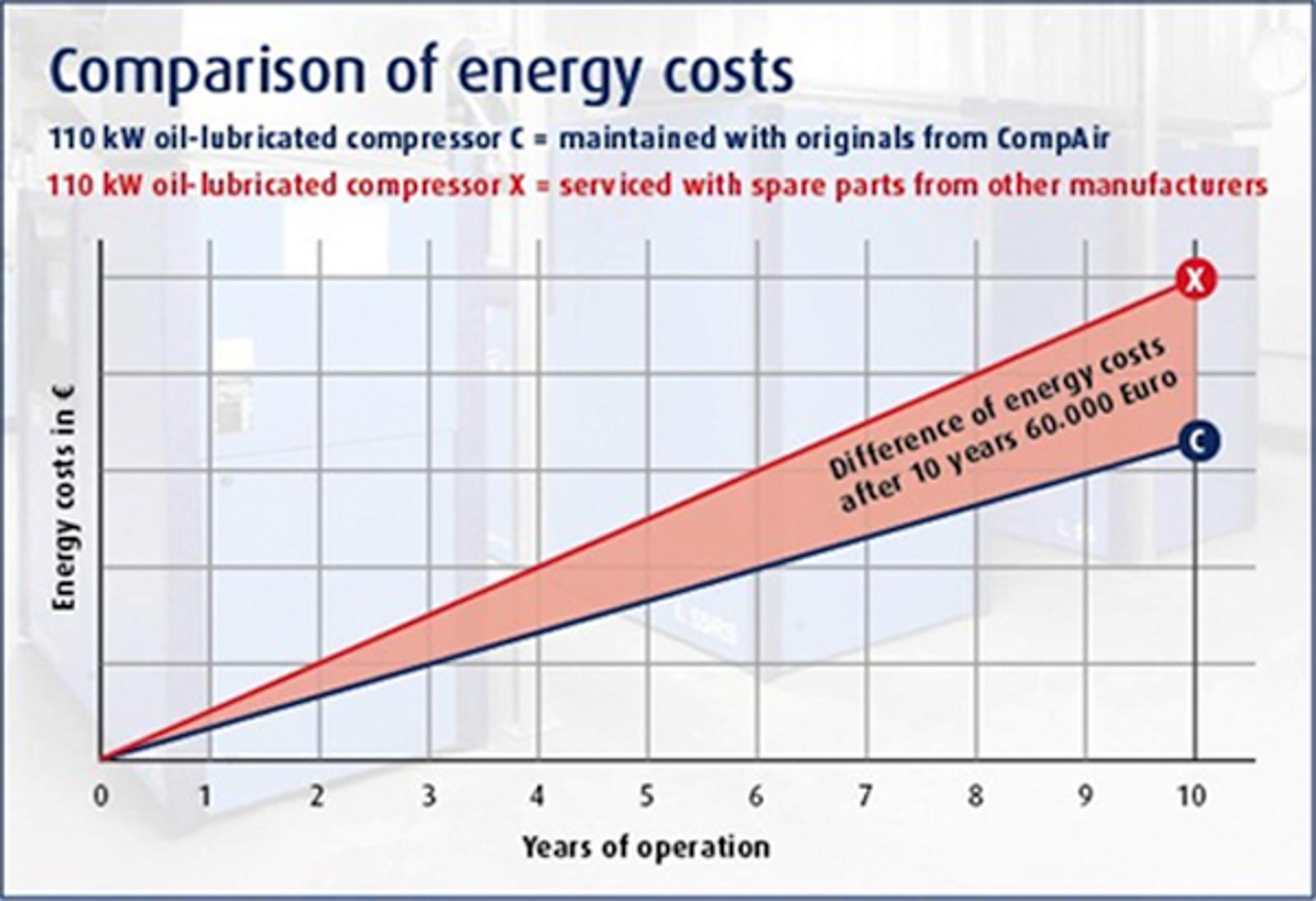
For most compressed air installations, the biggest cost is not the initial purchase. It is the lifecycle cost of running the system. That is why optimisation needs to go beyond a single machine and look at how the full installation performs.

Top_Tips_for_Air_Compressor_Optimization

To load this content, approve your cookie preferences and allow the required cookies.
Where Compressor Systems Commonly Lose Efficiency

Hidden Causes of Compressed Air Energy Losses

Many sites do not have a single obvious failure. They have a collection of small inefficiencies that add up to high operating cost and unstable performance.

Typical issues include:

  • Compressors running inefficiently at part load
  • Unstable pressure causing production disruption or operator workarounds
  • Excessive unloaded running hours
  • Mismatched compressor sequencing
  • Air treatment creating unnecessary pressure drop
  • Leaks and inappropriate demand patterns going unmanaged
  • Heat generated by compression being wasted
  • Limited visibility into system performance and energy use

These are not only engineering problems. They become buying criteria for anyone evaluating an optimisation partner.

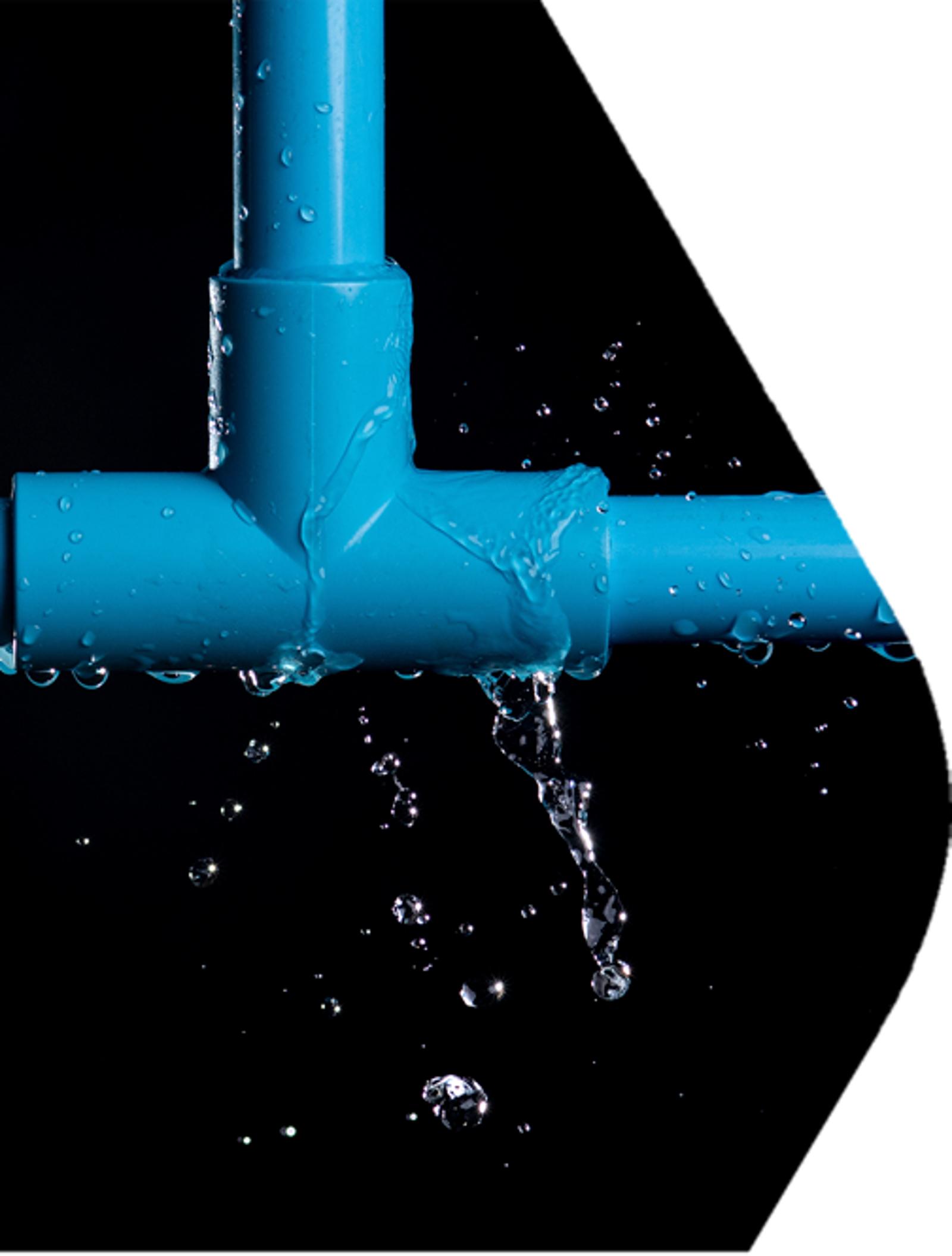
Compressed air leak causing energy loss

What Buyers Usually Need to See

Delivering Measurable Improvements Across the Entire Compressed Air System

Commercial and technical stakeholders are typically looking for a solution that can:

  • Lower energy consumption without compromising air availability
  • Improve pressure stability across varying production demand
  • Extend equipment life by reducing unnecessary cycling and stress
  • Identify where losses sit across the wider air system
  • Support sustainability goals with measurable operational improvement
  • Fit existing plant conditions rather than requiring a full replacement
  • Provide a clear route from assessment to implementation and ongoing support

A credible optimisation programme should answer all of these points. If it only focuses on compressor replacement, it may miss larger system losses.

Compressed air system optimisation assessment

What Compressor Optimisation Includes

CompAir approaches optimisation as a system-level improvement process.

The goal is to match compressed air generation, treatment, storage, and control more closely to site demand.

Depending on the application, an optimisation solution can include the following elements.

Compressed air system performance assessment

System Assessment and Performance Review

The starting point is understanding how the current installation actually behaves. That means looking at demand variation, pressure profile, compressor loading patterns, treatment performance, and control logic.

This matters because a system that looks adequate on paper may be inefficient in operation.

Compressed air lifecycle energy cost comparison

Right-fit Compressor Technology

Optimisation may involve selecting or integrating more suitable compressor types for the duty. For example:

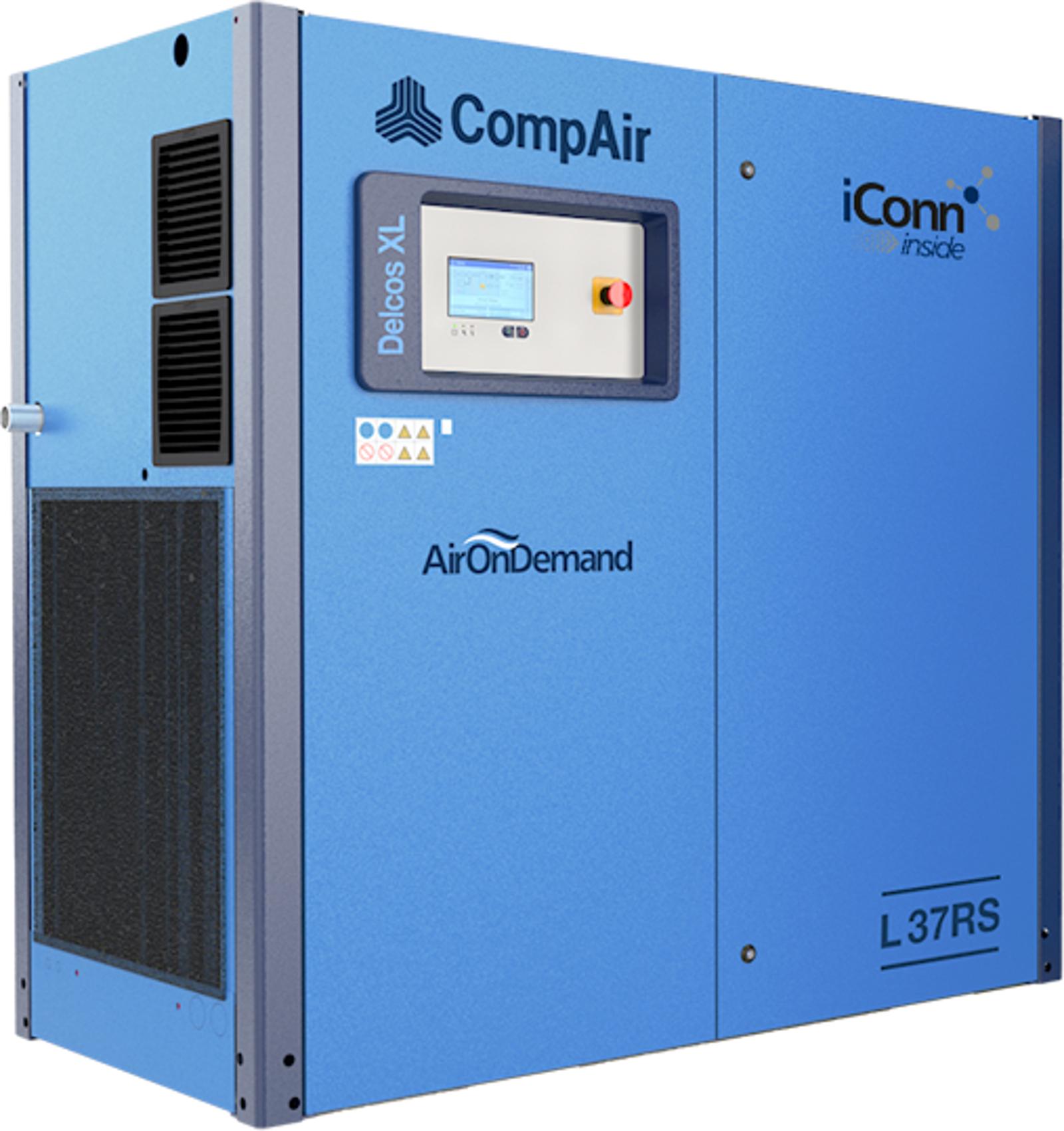
  • L-Series rotary screw compressors for efficient, reliable operation in general manufacturing and automotive environments
  • Ultima oil-free compressors where air purity, compliance, and energy performance are critical, such as food, beverage, and pharmaceutical production
  • Portable compressors for site-based applications where flexibility and dependable output are required

The objective is not to add equipment for its own sake. It is to ensure the installed technology fits the load profile and air quality requirement.

CompAir rotary screw compressor for energy-efficient compressed air

Controls and Sequencing

Poor sequencing is a common source of waste. Multiple compressors may run when fewer would do, or machines may spend too much time in inefficient unloaded operation.

Improved control strategies help the system respond more accurately to real demand. In larger or more complex installations, this can make a material difference to operating efficiency and pressure consistency.

Compressed air system controls and compressor sequencing

Air Treatment and Pressure Loss Reduction

Improving Air Quality While Minimising Pressure Loss

Compressed air quality and energy efficiency are connected. Dryers, filters, and treatment equipment need to protect the process without creating avoidable pressure drop that forces compressors to work harder.

Optimisation can include reviewing:

  • Dryer sizing and duty
  • Filter condition and specification
  • Condensate management
  • Piping restrictions and distribution layout
Compressed air piping system optimisation and pressure loss reduction

Heat Recovery Opportunities

A large proportion of compressor input energy is converted into heat. In suitable applications, heat recovery can turn part of that waste into useful energy for space heating, hot water, or process support.

For sites with significant compressor operating hours, this can strengthen the business case for system optimisation.

Industrial heat recovery and energy efficiency system

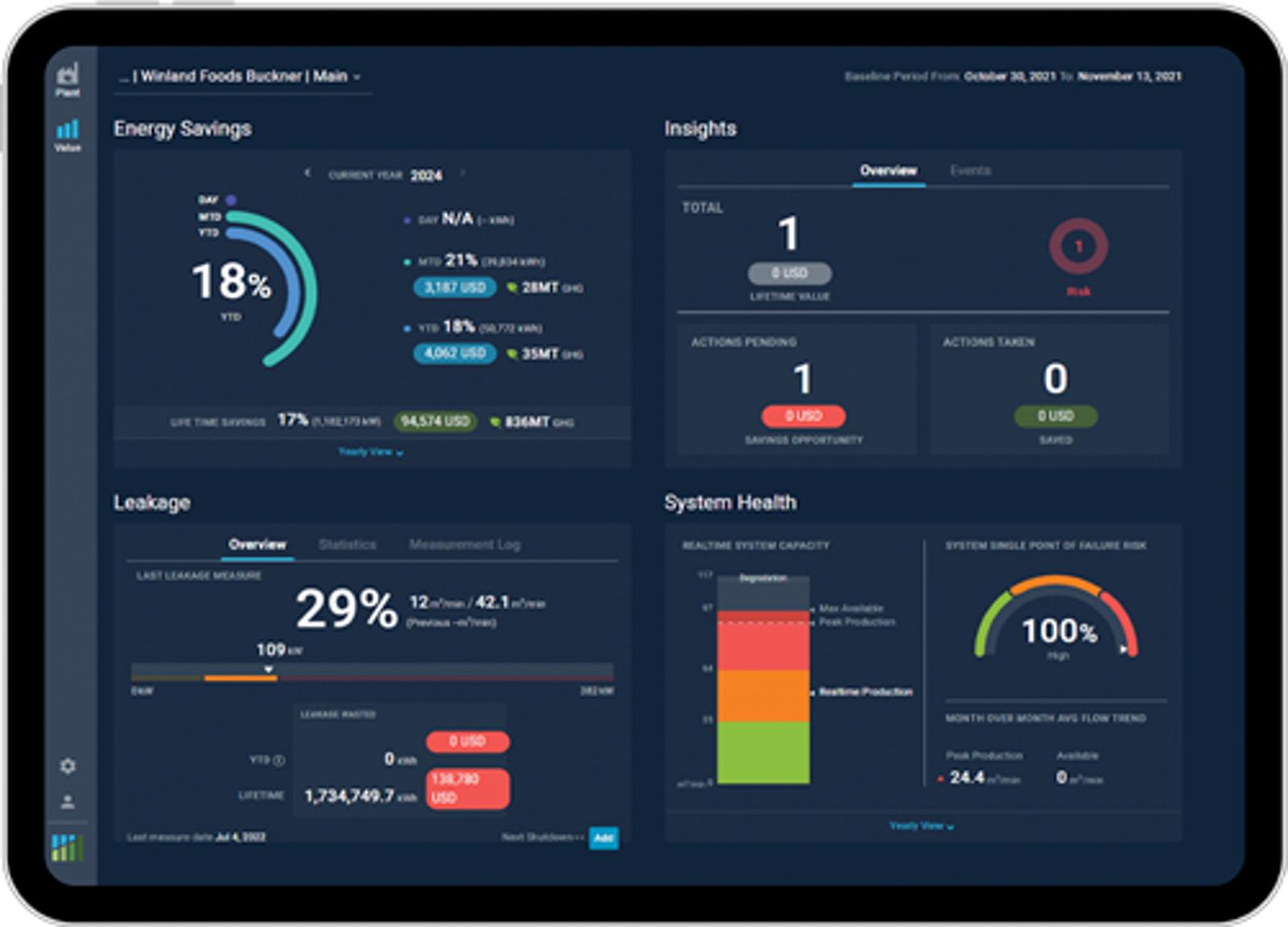
Digital Optimisation with Ecoplant

Real-Time Compressed Air System Monitoring and Optimisation

For sites that need deeper control across the compressed air system, Ecoplant adds digital monitoring and optimisation capability.

This helps operators understand how the system is performing in real time and supports better decisions around:

  • Demand response
  • Compressor staging
  • Pressure optimisation
  • Energy use visibility
  • Ongoing performance improvement

Digital optimisation is particularly relevant where demand varies significantly, energy cost is under scrutiny, or multiple assets need to work as a coordinated system.

Ecoplant compressed air monitoring and optimisation dashboard

What Changes After Optimisation

Achieving Long-Term Efficiency and Reliability Improvements

A good optimisation project should change daily operation, not just the equipment list.

With the right measures in place, operators should expect a system that is easier to manage and better aligned with production needs.

Typical operational improvements include:

  • More stable air supply at the point of use
  • Less wasted energy from unnecessary running hours or pressure margin
  • Better visibility into where losses and inefficiencies occur
  • Reduced strain on installed equipment
  • Improved confidence in air quality where process standards matter
  • Stronger basis for maintenance planning and lifecycle decisions

The exact result depends on the starting condition of the system, operating profile, and scope of improvement. That is why site-specific evaluation matters.

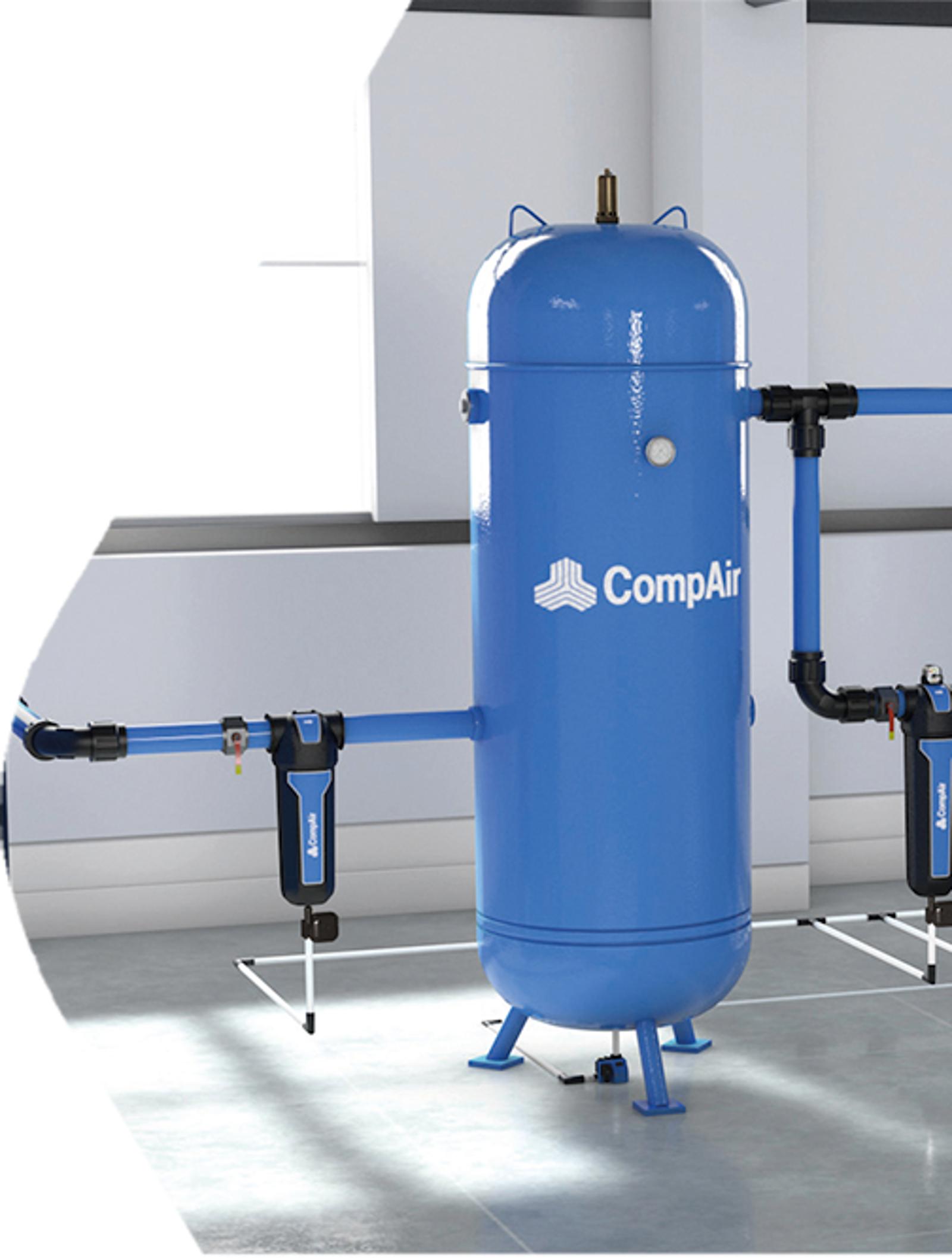
Compressed air receiver tank improving system efficiency

Why CompAir Is a Strong Fit for Compressor Optimisation

End-to-End Compressed Air System Optimisation

CompAir’s position is different from suppliers that focus only on standalone compressors. The value is in combining equipment, engineering insight, and system thinking.

Full-System Expertise for Sustainable Efficiency Improvements

CompAir supports optimisation across:

  • Compressors
  • Oil-free and oil-lubricated technologies
  • Air treatment
  • Controls
  • Heat recovery
  • Digital optimisation
  • Service and ongoing support

This matters because inefficiency rarely sits in one component alone.

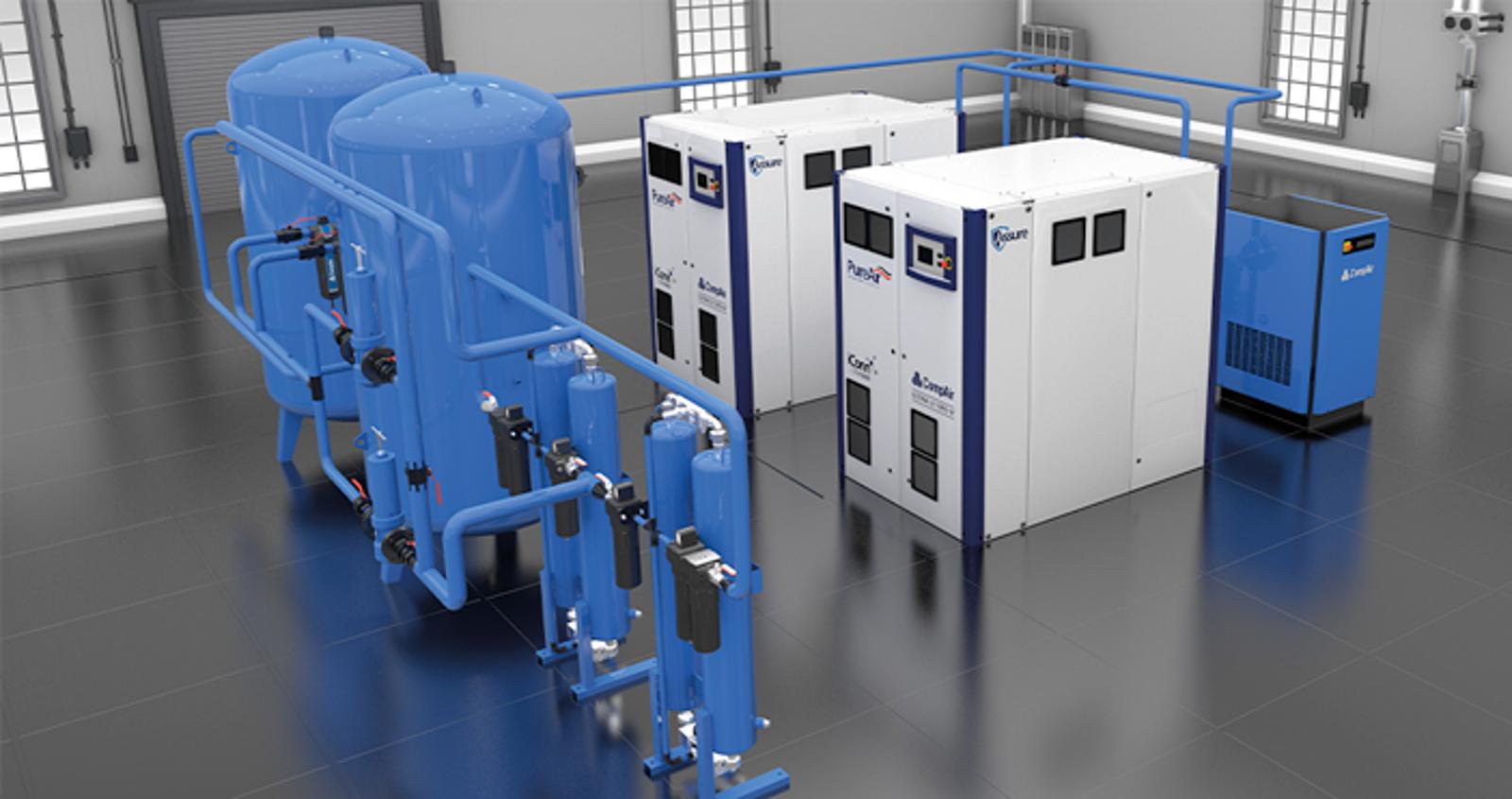
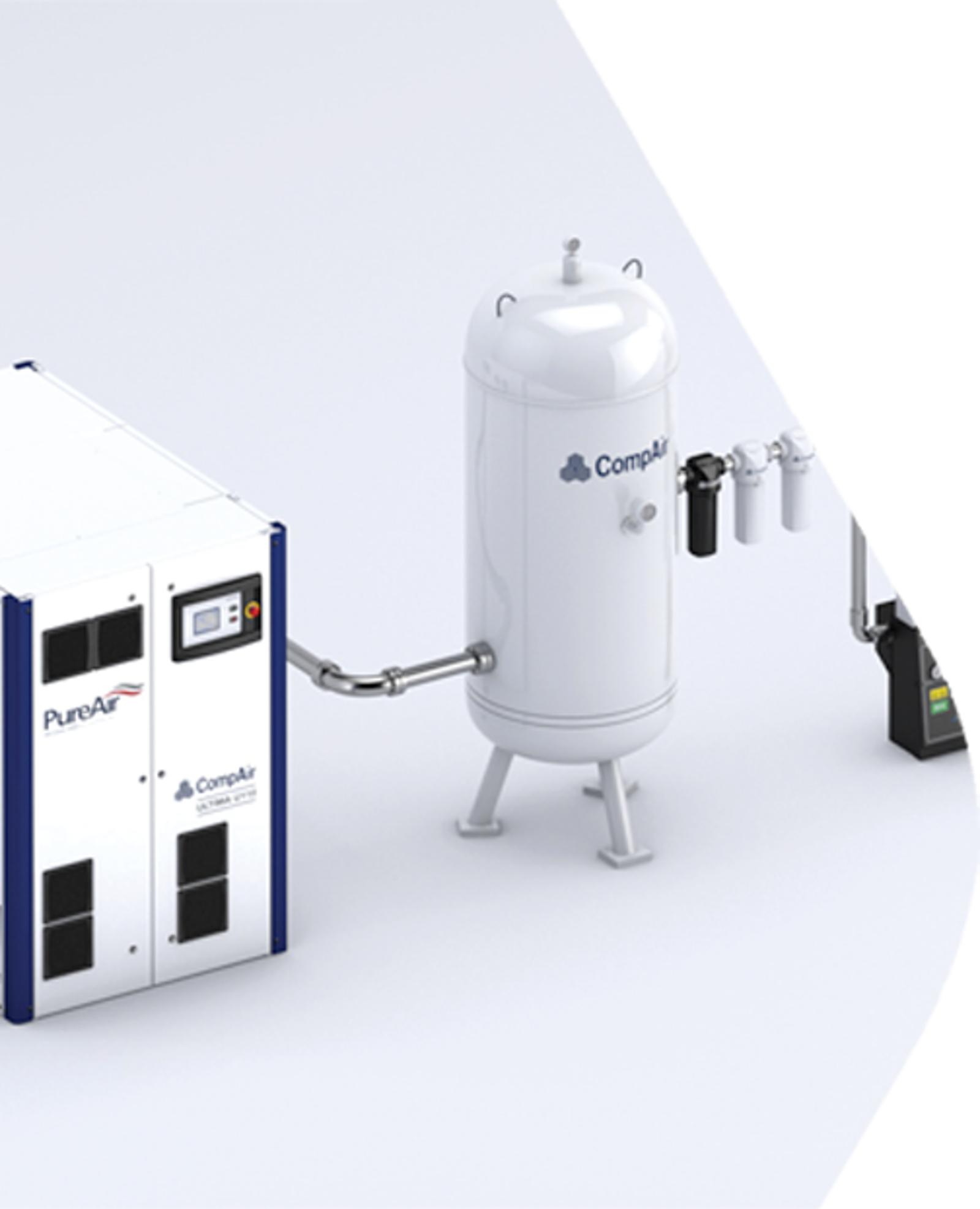
Integrated compressed air system with air treatment equipment

Focus on total cost of ownership

Reduce Lifecycle Costs Through Compressed Air Optimisation

Compressed air decisions should be evaluated against lifecycle cost, not just purchase price. Energy typically accounts for the largest share of compressed air system cost over time, so optimisation needs to target operational efficiency in a practical, measurable way.

CompAir’s approach is built around that principle.

Total cost of ownership optimisation for compressed air systems

Engineering-led implementation

Practical Compressed Air Optimisation for Real-World Operations

Optimisation is rarely frictionless. Existing infrastructure, production schedules, air quality requirements, and installed asset condition all affect the right path forward.

CompAir works within that practical reality by aligning recommendations to operating conditions and implementation constraints.

Engineering-led compressed air system optimisation consultation

Technical fit across industries

Different sectors require different optimisation priorities.

  • General manufacturing and automotive often prioritise efficient, reliable base-load and variable demand performance
  • Food, beverage, and pharmaceutical operations need air purity alongside energy performance and compliance support
  • Construction, mining, and infrastructure applications need dependable output under changing site conditions

CompAir brings relevant compressor and system options across these environments rather than treating optimisation as a one-size-fits-all exercise.

Industrial compressed air solutions for multiple industries

Credibility That Reduces Evaluation Risk

Buyers at this stage need reasons to believe a supplier can move from analysis to delivery.

CompAir brings credibility through:

  • A long-established engineering heritage in compressed air
  • Experience across industrial sectors with different operating and air quality demands
  • A portfolio that covers compressors, treatment, controls, and digital optimisation
  • A service-oriented model that supports performance beyond initial installation
  • A clear focus on energy efficiency, reliability, and long-term system value

The proof that matters most in optimisation is a structured process: assessing current performance, identifying where losses occur, defining realistic improvement actions, and supporting implementation over time.

Complete compressed air system portfolio for industrial optimisation

What a Practical Evaluation Looks Like

Assessing Opportunities for Compressed Air System Improvement

The next step is usually not an immediate equipment change. It is a review of how the current system is performing and where the commercial case for improvement is strongest.

A typical evaluation may include:

  1. Review of current compressor room setup and site demand
  2. Identification of pressure, control, treatment, and energy issues
  3. Assessment of opportunities for system changes, upgrades, or digital optimisation
  4. Prioritisation based on operational impact, cost, and implementation practicality
  5. Definition of a phased improvement plan where appropriate

This gives both technical and commercial stakeholders a clearer basis for decision-making.

Compressed air system evaluation and performance assessment

Speak to CompAir About Compressor Optimisation

Expert Guidance for Compressed Air System Optimisation

If your compressed air system is costing more than it should, a system-level review can show where the losses are and what improvement path makes sense for your site.

CompAir can help you assess:

  • Existing system efficiency
  • Compressor and control strategy fit
  • Air treatment impact on performance
  • Heat recovery potential
  • Digital optimisation opportunities with Ecoplant

The most useful next step is a discussion based on your operating profile, current installation, and site constraints. That makes it easier to determine whether optimisation, equipment upgrade, control improvement, or a broader system redesign is the right route.

Compressed air optimisation support and expert consultation

Frequently Asked Questions

No. In many cases, meaningful improvement comes from better controls, sequencing, treatment review, leak reduction, pressure optimisation, or selective equipment changes. The right approach depends on the condition and fit of the current installation.